


Alfred Peeling was born on 12th December 1887 in Kennington, to parents Alfred George (a leather belt maker and repairer) and Evelina. He was the middle one of three children, his older brother Arthur being born around 1885 and Evelina about 1889. He was baptised on 2nd August 1899 with his sister Evelina, at Holy Trinity Church, Woolwich. (Holy Trinity was built in Beresford Square, Woolwich, in 1883 as a daughter church to St Marys, and was demolished during the 1960s). According to the Baptism record, the family were living at 4 Glyndon Road, Plumstead, but by 1891 they had moved to 58 Vicarage Road, also in Plumstead. He was admitted to Vicarage Road School, Borough of Greenwich, on 1st July 1895 under the name John Peeling, and attended the school until 8th December 1900, when his entry was marked ‘gone to work’, however, no employment is listed for Alfred in the 1901 Census.
By the 1901 Census the family had moved to 3 Albatross Street, Plumstead, and older brother Arthur was working in the cartridge factory at the Arsenal. The Peelings had moved again by 1911, when the Census recorded their address as 4 St John’s Road, Plumstead. Arthur had moved out by then, and Alfred was working as an ‘assistant Superintendent in an insurance office’. Alfred married Elizabeth Hobb Langman (born 30th June 1886 in Launceston, Cornwall) at Holy Trinity Church, Dartford in January 1915. Before marrying Alfred, Elizabeth was a nurse, listed in the 1911 census as living in Burleigh Lodge, Erith, the home of Dr William Robert Murisan, a GP. After their marriage the couple moved to Belmont Cottage, Belle Grove, Welling, and their son, John Edward was born the same year, on 22nd September.
Alfred enlisted with the Kings Royal Rifle Corps, 7th battalion, in Woolwich. KRRC was formed in Winchester as part of Kitcheners First New Army. They joined 41st Brigade, 14th (Light) division and trained largely at Aldershot before proceeding to France, landing at Boulogne on 19th May 1915. The 7th Battalion were involved in The Action of Hooge (and were the first Division to be attacked by flamethrowers), and the Second Attack on Bellewaarde. In 1916 they were involved in various battles of the Somme including The Battle of Delville Wood and The Battle of Flers-Courcelette. In 1917 they fought in The German retreat to the Hindenburg Line, The First and Third Battle of the Scarpe at Arras, The Battle of Langemark and The First and Second Battle of Passchendaele. On the 2nd of February 1918 they transferred to 43rd Brigade still with 14th (Light) Division. They returned to the Somme in 1918 and, during The Battle of St Quentin and The Battle of the Avre, almost 6,000 men of the Division were killed or injured. Alfred was reported missing in action on 21st March 1918, the first day of the Battle of St Quentin, and his body was never found.
Rifleman Alfred John Peeling has no known grave, but is commemorated at Pozieres Memorial, panel 61 to 64, and he was added to the East Wickham memorial in 1998. There is also a general memorial to KRRC on Wimbledon Common, and one at Hooge. He was awarded the Victory Medal and the British War Medal. His wife, Elizabeth, died in 1982, aged 96.
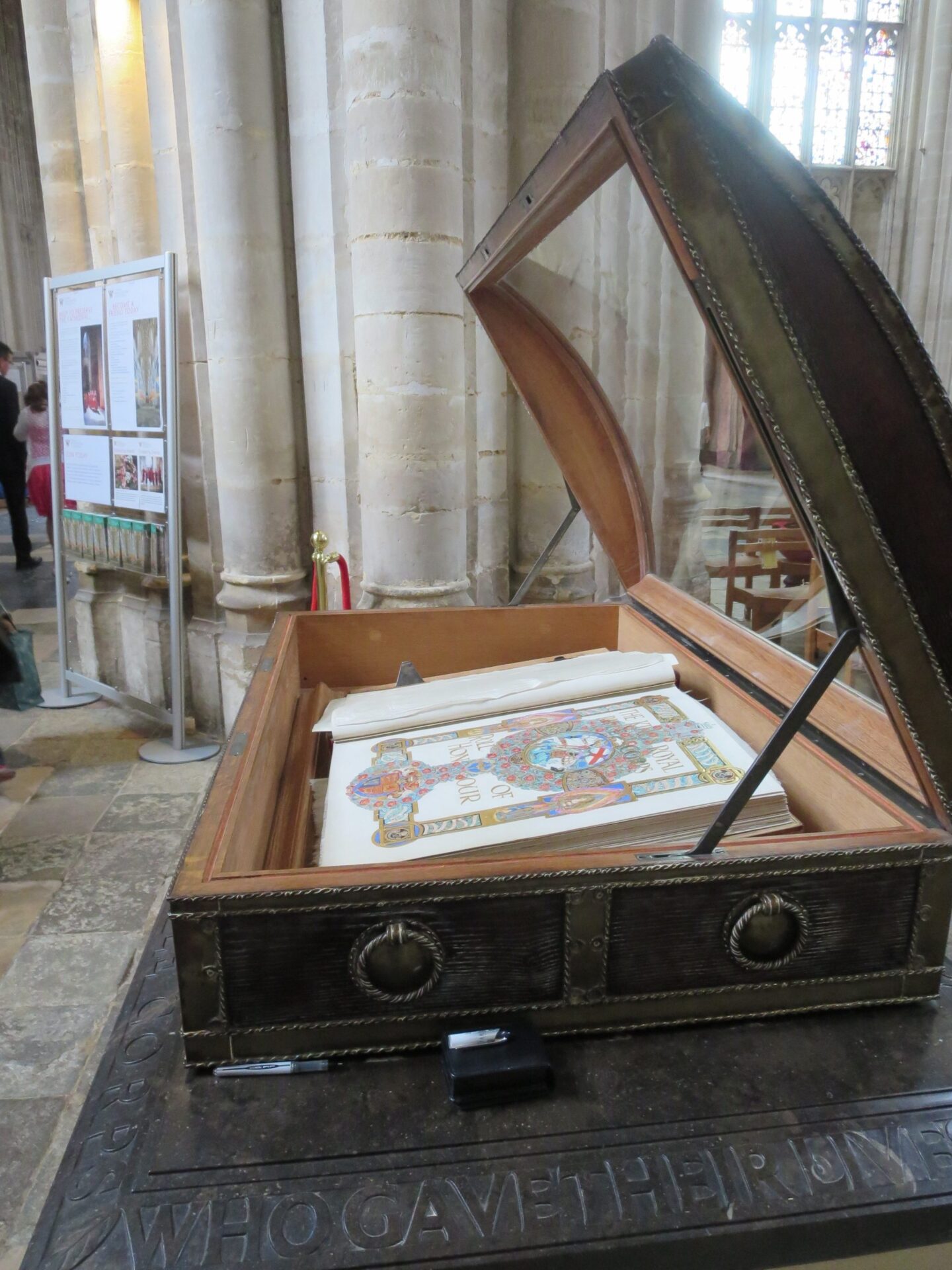


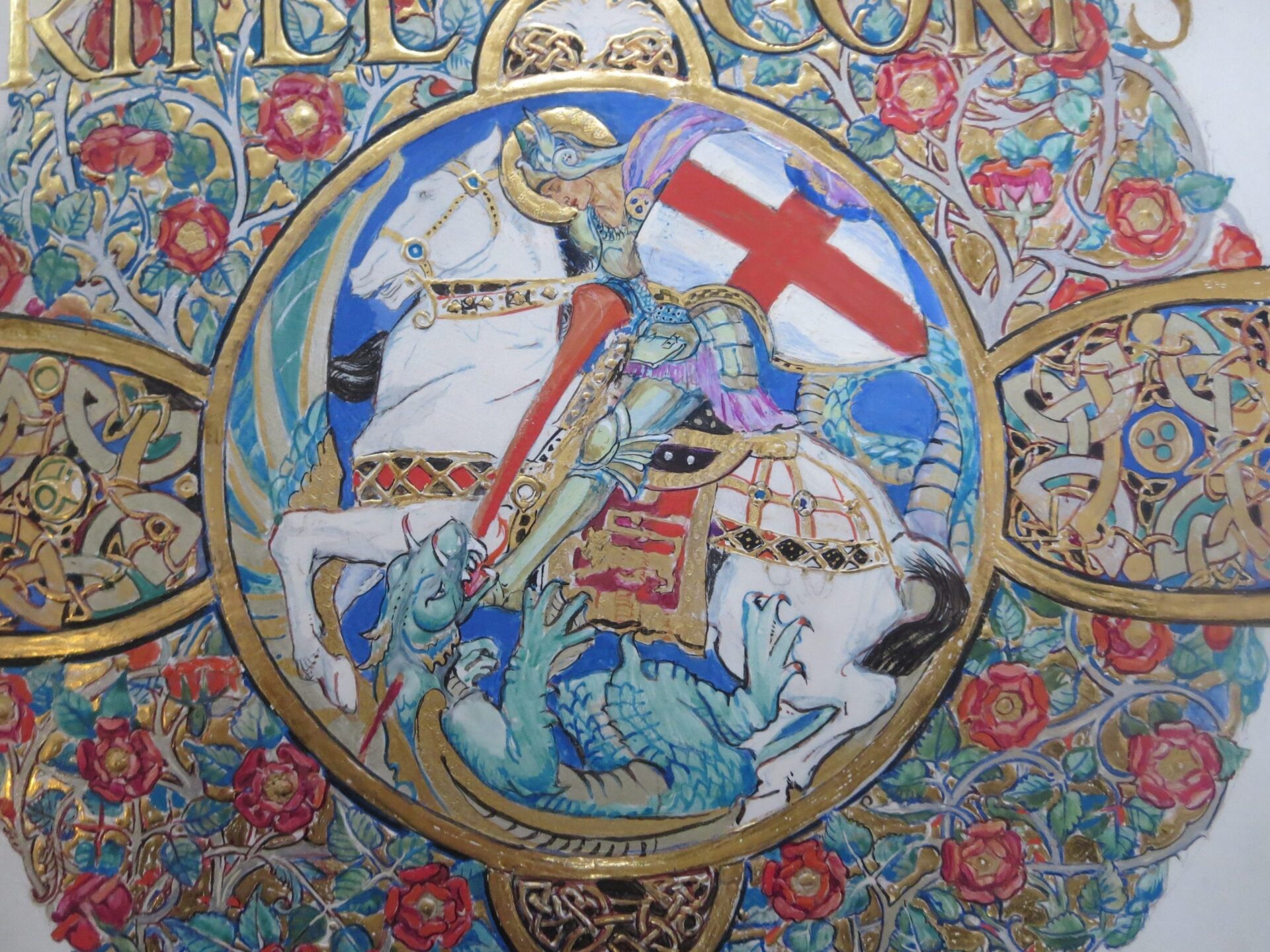
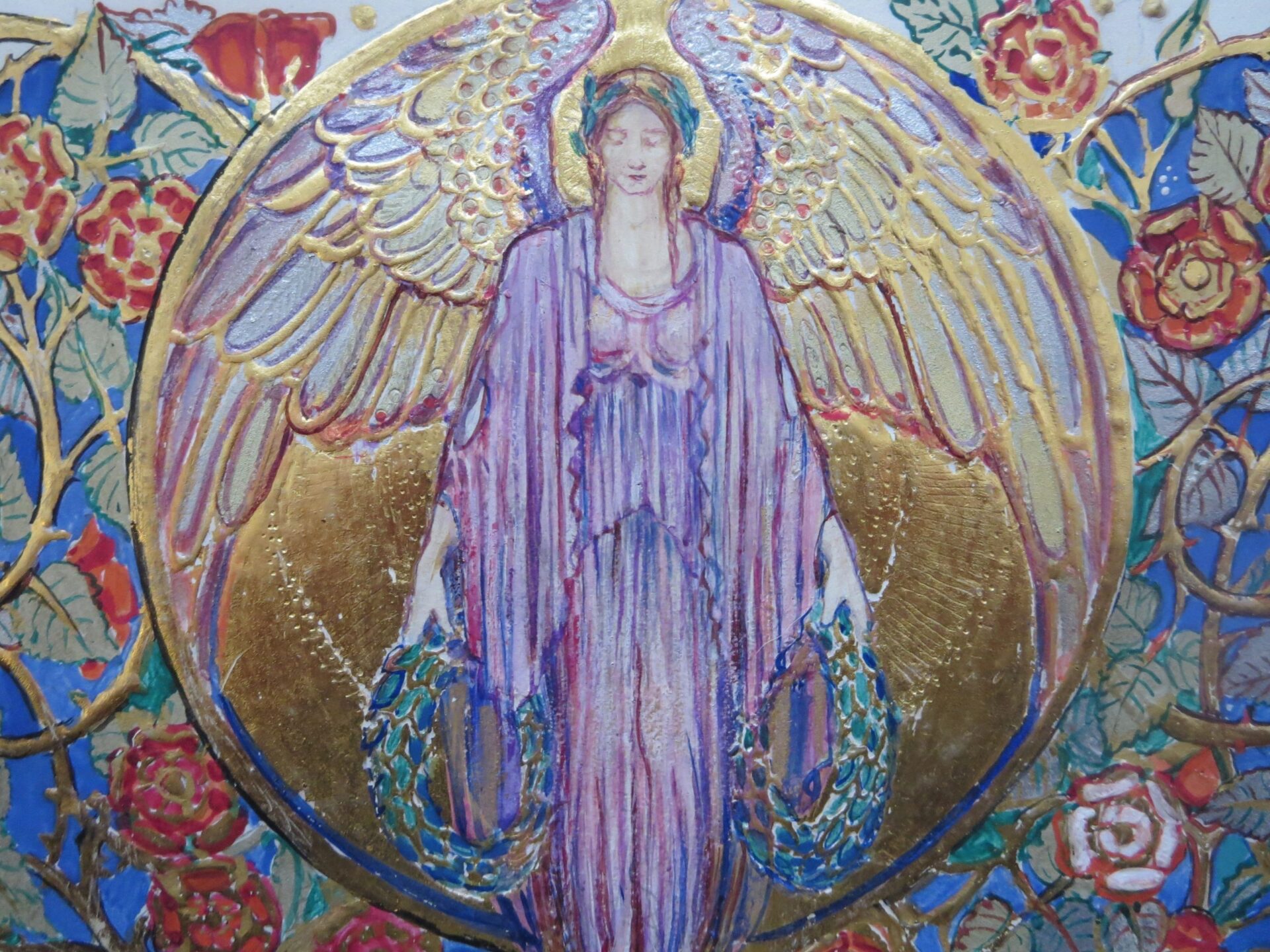
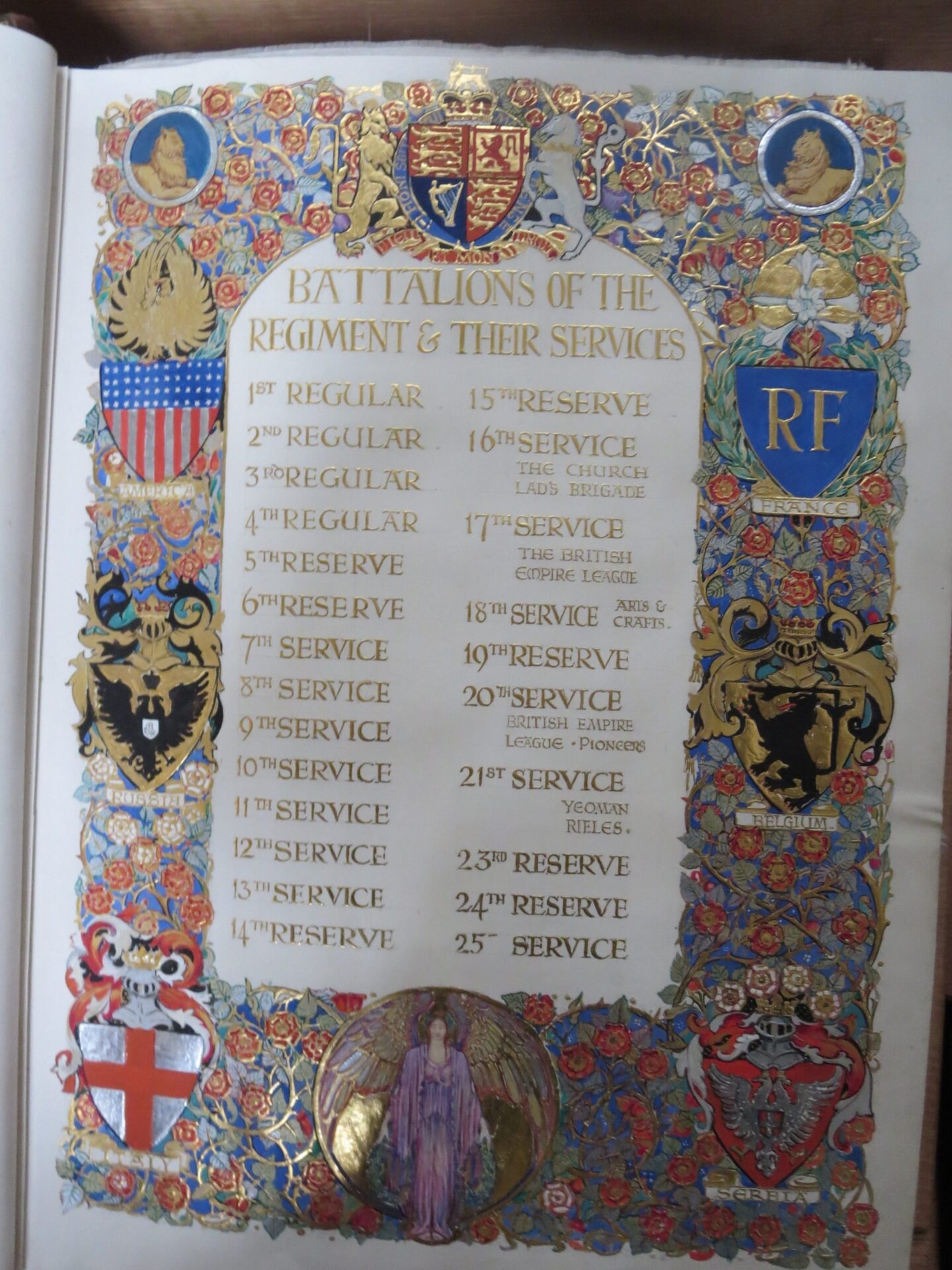
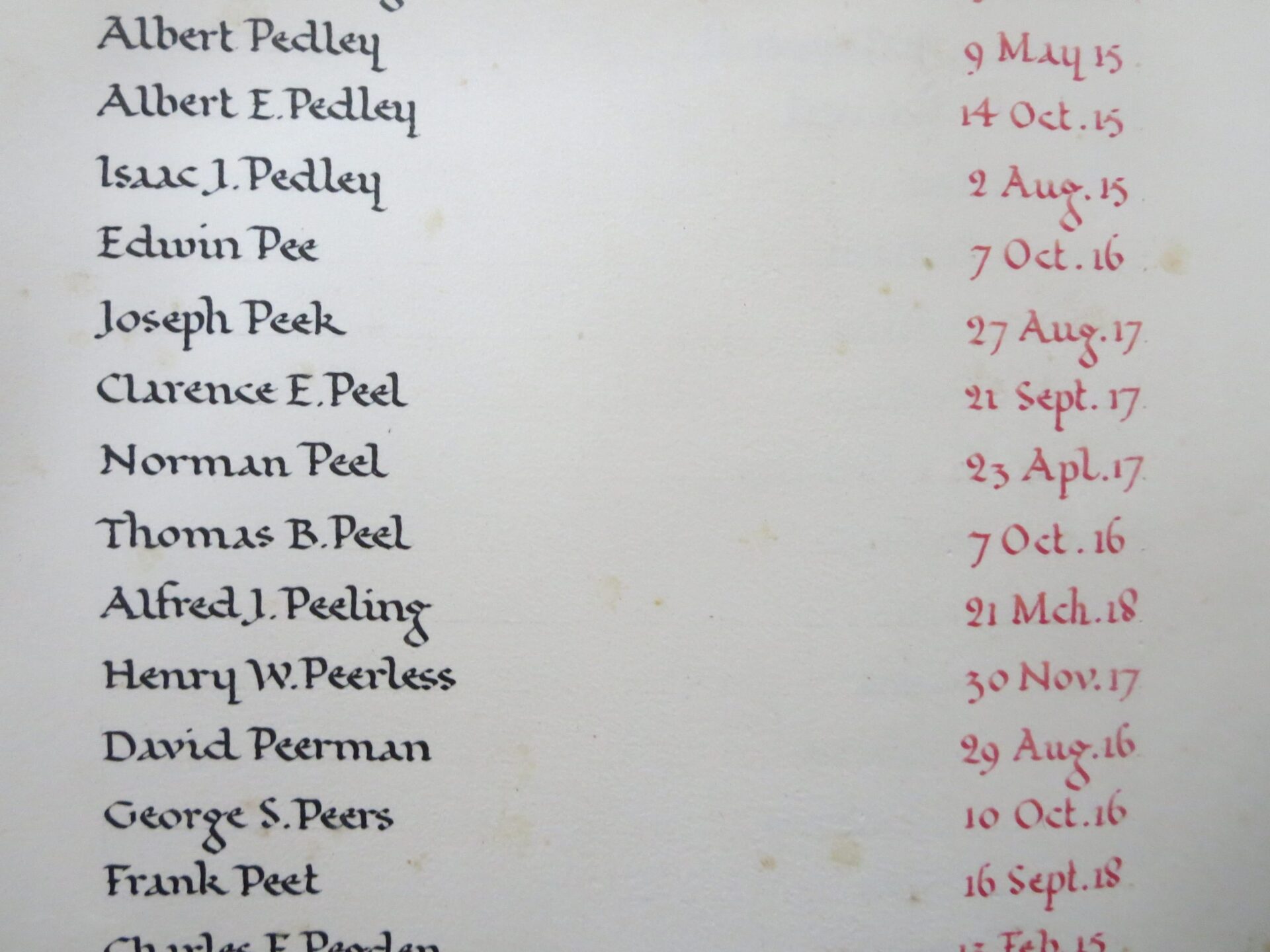
Commemorated
Links
This story has been researched by volunteers. We have taken every effort to ensure its accuracy. If you are related to Alfred John Peeling, or if you have any further information, please do get in touch.