


Stanley Finch was born on 11th April 1896 to parents William and Elizabeth Emily Finch. His parents had moved into Welling after William found employment as a horsekeeper on a local farm, probably Gibson’s Farm, in Wickham Street. On 14th August 1899, when he was 3 years old, Stanley started at Foster’s School, a short walk from his home at 3 Charlotte Cottages, Welling, the same day as Clarence Wood and the day after John Henry Brownlow started, both also killed in the War. In April 1903, just before his 7th birthday, he transferred to the Upper School.
Stanley was the third eldest of 10 children born to William and Elizabeth. The family were poor and by 1911, his eldest brother, Herbert, had been sent to Canada as part of the Barnardo’s emigration scheme to work on a farm and his sister had become a domestic servant in Bexley. Stanley was now the eldest child at home and working as a farm labourer, probably with his father at Gibson’s Farm in Welling. In the war Stanley enlisted as a rifleman with the Kings Royal Rifle Corps. His older brother Herbert Finch (also known as Bert) came back from Canada to enlist with the British Army, and Stanley’s younger brother Harold Finch (also known as Herbie) also signed up.
On Easter Monday 9th April 1917, in bitterly cold weather with sleet and snow falling, the Battle of Arras began. The plan was to end the stalemate on the Western Front and break through the German defences that had stretched from the Belgian Coast to the Swiss border. It was part of the same operation to take control of Vimy Ridge from the Germans and a simultaneous massive attack by the French to the south, when French commander General Robert Nivelle optimistically aimed to end the war in two days. The battle lasted for a week. Vimy Ridge was successfully taken by the Canadians, but only limited gains were made elsewhere and the stalemate continued between the two armies.
It was a brutal battle, lasting until 16th May, with a daily casualty rate of 4,076 (compared to the better known battles of Somme and Passchendaele of 2,943 and 2,323 respectively). A total of 158,600 British soldiers died, of which Stanley was one. He was fatally wounded in the battle and died of his wounds on 14th April 1917, just 3 days after his 21st birthday
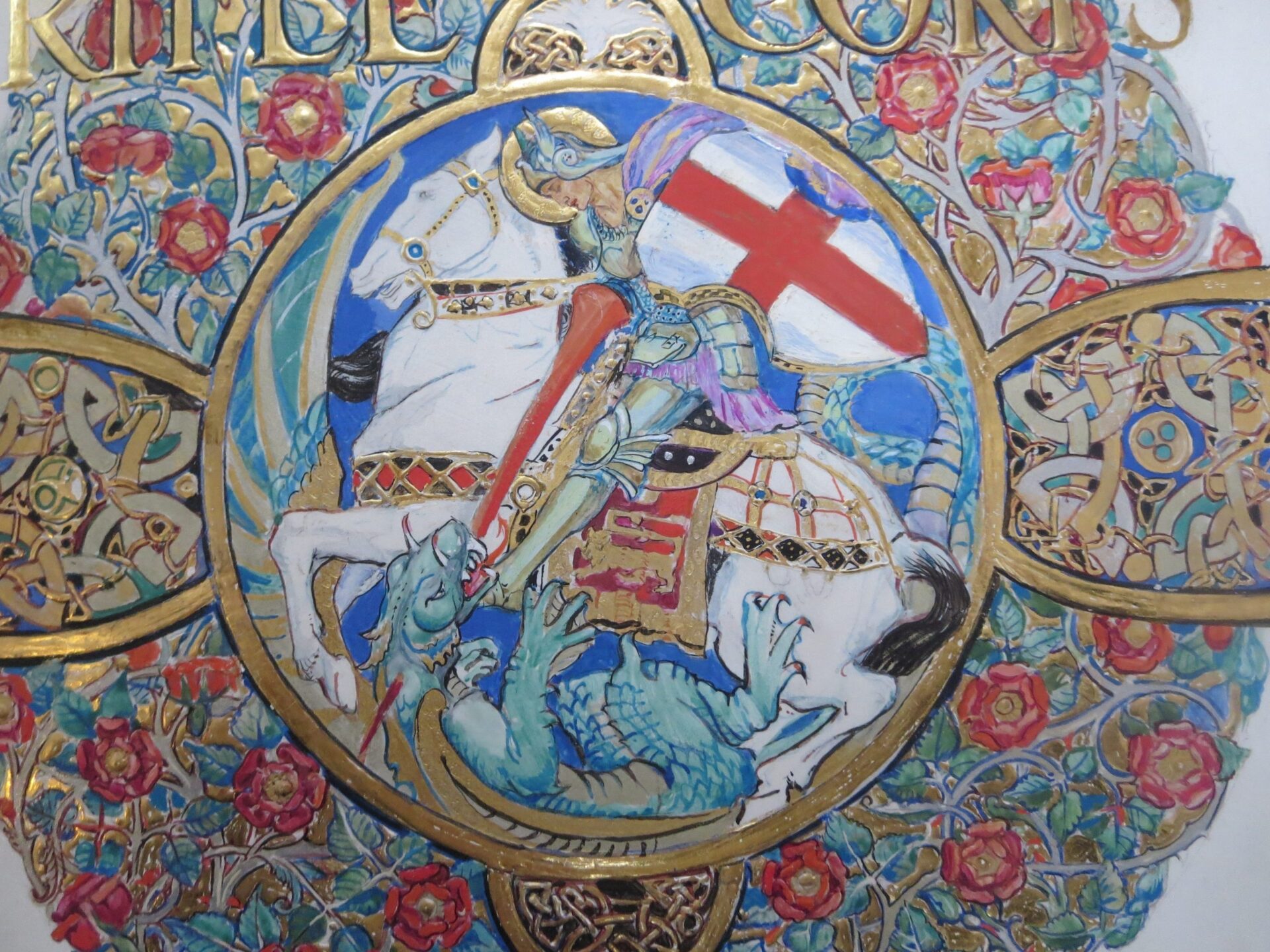
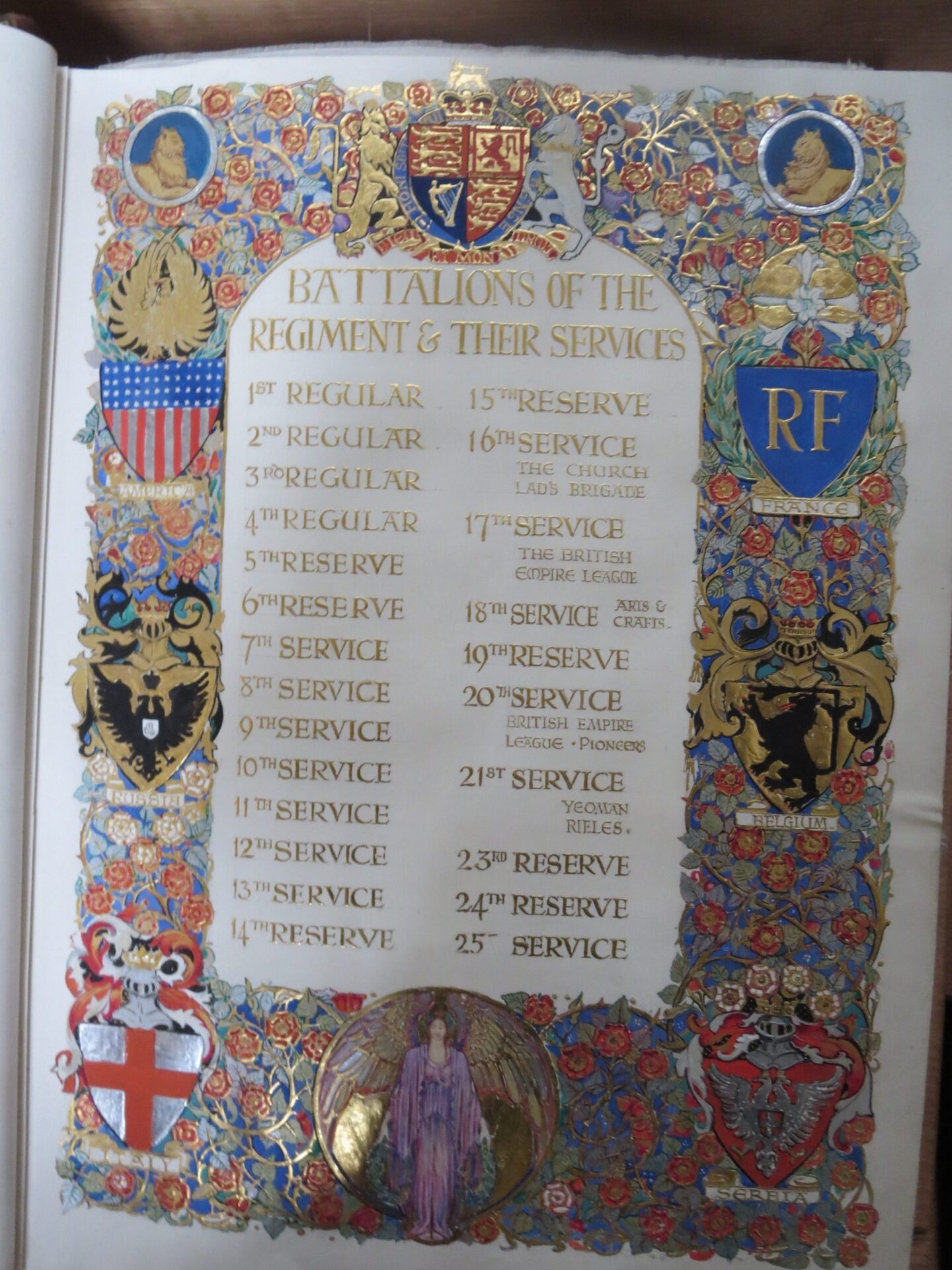
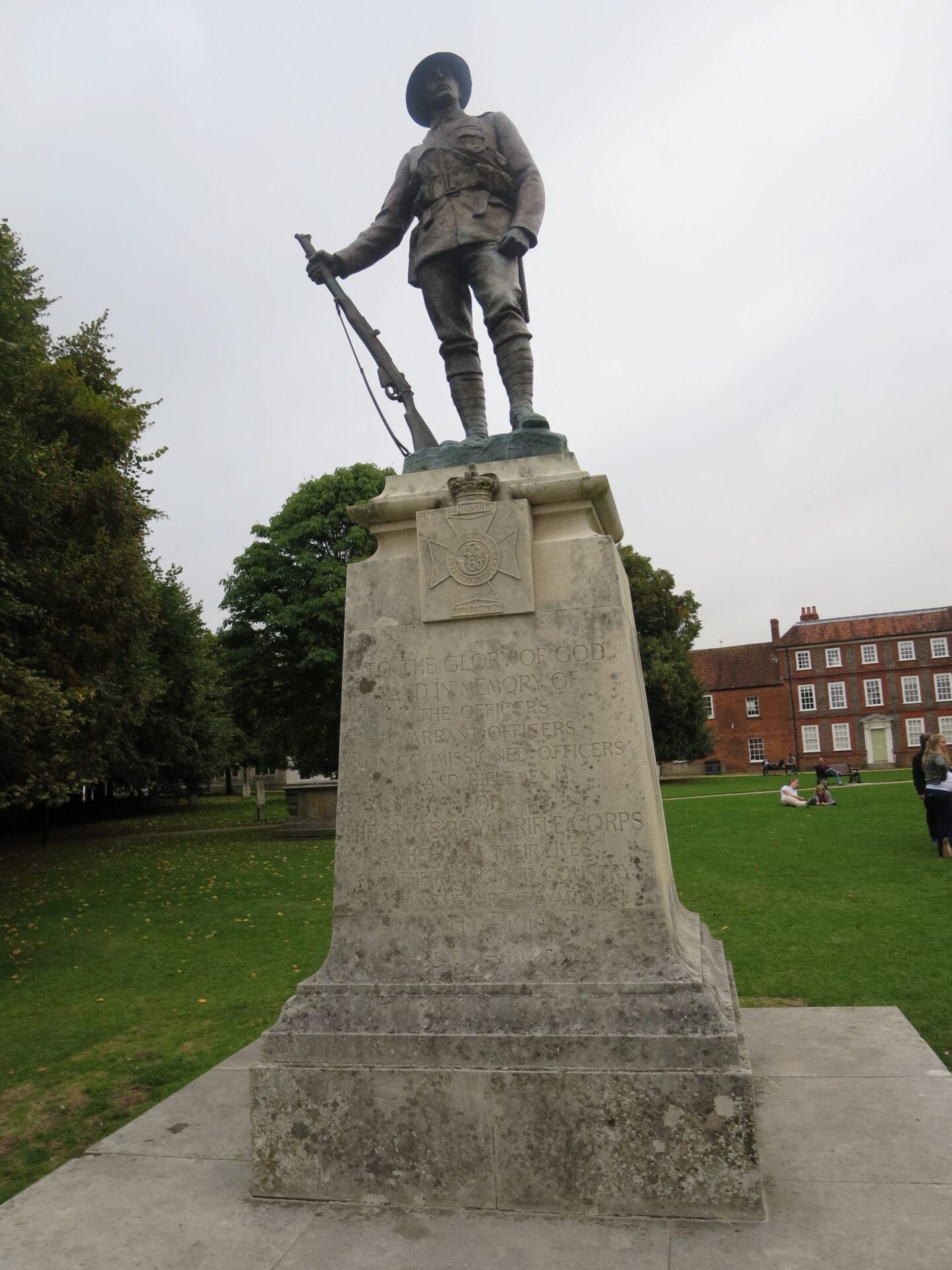
Stanley’s family moved to Meadow View, Railway Road, Abbey Wood, London sometime after 1911 and he was apparently never commemorated on any war memorial in England. His name had also been left off the King’s Royal Rifles Corp Roll of Honour, kept at Winchester Cathedral, until in 1999 when he was added to the end of the list at the request of his family.
Stanley’s brother, Herbert, returned from Canada to enlist with the Reserve Brigade, Canadian Field Artillery. He attested at Shorncliffe in Kent on 13th June 1916 at the age of 24, and was given the Regimental No. 1260221. Herbert was wounded and returned home for treatment at the Royal Herbert Hospital, Woolwich, at the same time his younger brother, Harold was there, also receiving treatment for wounds sustained. Both brothers survived the war.
Stanley Finch grew up and lived in Welling until at least 16 years of age, and possibly all of his life. The East Wickham and Welling War Memorial Trust will be adding his name to our war memorial over the centenary of the First World War.





Commemorated
Links
This story has been researched by volunteers. We have taken every effort to ensure its accuracy. If you are related to Stanley Finch, or if you have any further information, please do get in touch.